
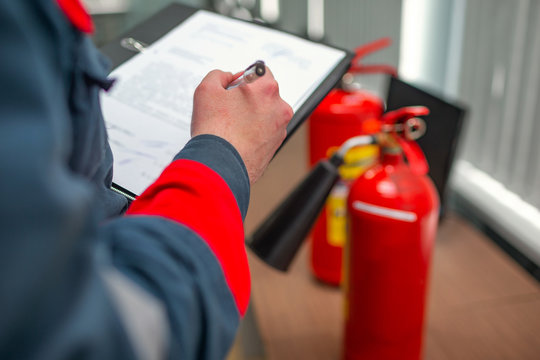
Fire Safety is a fundamental consideration in the design of any building. Understanding the classification of fire is a key part of protecting buildings, assets and lives. It informs everything from fire risk assessments to the type of fire curtain systems installed within a space.
In this guide, we want to break down the different classes of fire, how they behave and explore how fire curtains provide an essential layer of fire protection across all fire classifications.
What Are The Classes of Fire?
Fire is categorised based on what material is fueling the fire. This classification system helps define the correct response and fire containment strategy.
How Many Classifications of Fire Are There?
There are 5 classification types of fire as standard:
- Class A
- Class B
- Class C
- Class D
- Class F (also sometimes referred to as Class K)
You may also see Class E fires, also known as electrical risk fires. This is not always formally recognised within fire classifications.
These classes of fire are used in fire safety planning across all types of buildings, including both residential and commercial sectors.

What is a Class A Fire?
These are the most common class of fires, often seen in offices, schools and residential buildings. An example of a Class A Fire would be burning furniture or paper storage.
Class A Fires involve:
- Wood
- Paper
- Cardboard
- Textiles.

What is a Class B Fire?
Class B fires spread quickly and are a major cause of workplace fires, especially in industrial, production and storage environments.
Class B Fires involve:
- Petrol
- Oils
- Paints
- Solvents.

What is a Class C Fire?
Another key category in the types and classes of fire is Class C. These fires typically involve gases, which can lead to rapid and devastating escalation if not contained.
Class C Fires involve:
- Propane
- Butane
- Natural Gas

What is a Class D Fire?
Class D fires are less common but are very high risk. These fires require specialist handling and are often found in manufacturing or industrial process buildings.
Class D Fires involve:
- Magnesium
- Aluminium
- Lithium

What is a Type F Fire?
Class F fires burn at extremely high temperatures and can reignite easily, making them particularly dangerous. You may also see ‘Class K Fire’ used, which refers to the same category. These types of fires are particularly common in commercial kitchens.
Class F Fires involve:
- Cooking Oils
- Deep Fat Fryers
- Animal Fats

Electrical Fires (Class E Fires)
Although not always officially listed, class E fires are commonly referenced. Understanding this type of fire is important, as electricity can act as an ignition source across multiple categories of fire.
Class E Fires involve:
- Faulty wiring
- Electrical panels
- Appliances
Why Understanding Fire Classifications Matters
Understanding the different classifications of fire directly impacts your building’s fire safety strategy.
Knowing the various classes of fire helps with:
- Risk Assessments
- Fire Safety System Design
- Compliance with regulations
- Selecting the appropriate protection methods
From Class A to Class F fires, each type of fire class behaves differently and requires specific containment and handling procedures.
Fire Curtains and Different Classes of Fire
Each class of fires presents different challenges, but fire curtains provide a flexible solution that works across multiple fire scenarios.
FireSafe Plus 2 Fire Curtains
The FireSafe Plus 2 uses two side by side systems, creating a thermal insulation protection barrier in-between the two layers of curtain. This traps the heat and reduces the thermal heat and irradiance.
These systems are perfect for the classes of fire where risk, high temperatures and quick spreading are involved.
FireSafe 240
FireSafe 240 is an advanced fire curtain solution that stays discreetly concealed until activation is needed.
The FireSafe 240 Automatic Fire Curtain is an electrically operated system designed to create a reliable barrier against fire.
The curtain automatically deploys upon receiving a signal from the fire detection system or in the event of a power loss. This quick response makes it perfect to protect against quick spreading and fast activating fire classes.
Cavity Fire Protection
Fire doesn’t always spread visibly. Cavity Fire Protection helps prevent hidden fire movement within walls and ceilings – an important factor across all class types of fires.
Fire cavity barriers are designed to compartmentalise structures, commonly in areas such as above suspended ceilings and within roof voids.
Cavity fire barriers within cavity walls are vital for protecting the cold side of the cavity from rapidly escalating temperatures. This is crucial for effectively containing flames and significantly improving the building’s safety and structural integrity during the incident.
Final thoughts
Understanding the classification of fire is essential, but applying that knowledge through the right protection systems is what truly reduces risk.
From Class A fires to Class F fires, each class of fire behaves vastly differently. Fire curtains provide a reliable way to contain those risks, limit fire spread and support safer building environments.
Contact Smoke & Fire Curtains to ensure your fire curtain installations provide protection and safety in the event of a fire of any type of fire.